
Best Time to Travel in India: Month-by-Month Guide
- HOME
- Best Time to Travel in India: Month-by-Month Guide



India is one of the few countries in the world where you can experience snow, beaches, deserts, forests, and mountains all in the same year. From the Himalayas in the north to tropical shores in the south, India offers something special every month. However, because of its size and diverse climate, choosing the right month is essential for a comfortable and enjoyable trip.
Many travelers ask the same question before planning their journey: When is the right time to visit India? The answer depends on where you want to go, what you want to experience, and how you like to travel. This guide will help you understand the Best Time to Travel in India with a clear month-by-month breakdown so you can plan confidently.
India has three major travel seasons that shape tourism across the country.
Winter, from October to February, is considered the most comfortable season for travel. Summer, from March to June, can be hot but is perfect for hill stations. Monsoon, from July to September, brings rainfall, greenery, and fewer crowds.
Because India has varied geography, these seasons affect each region differently. While the north may experience snowfall, the south remains warm and pleasant. This is why there is no single “perfect” month for everyone.
If you’re short on time, this overview will help you decide quickly:
The Best Time to Travel in India often depends on matching the season with your travel purpose rather than choosing a fixed month.
January is one of the most popular months to travel in India. The weather is cool and pleasant across most regions, making sightseeing comfortable.
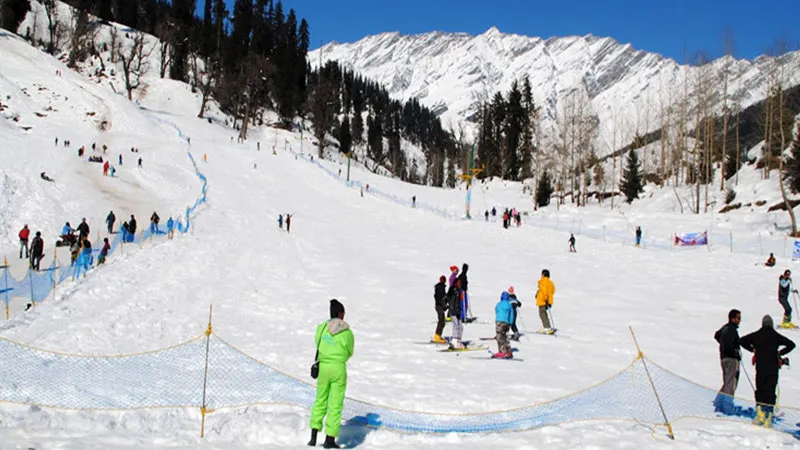
North India experiences winter charm, with snowfall in places like Kashmir, Himachal Pradesh, and Uttarakhand. Rajasthan and Gujarat are ideal for desert travel, while South India remains warm and enjoyable.
Festivals like Makar Sankranti and Pongal add cultural richness, making January a great time for both leisure and cultural tourism.
February continues the comfortable winter climate without extreme cold. This month is ideal for honeymoon couples and relaxed travelers.

Wildlife sanctuaries such as Ranthambore and Jim Corbett are at their best, as animals are easier to spot. Beach destinations like Goa and Kerala also shine during this time.
For many travelers, February feels like a balanced and peaceful period within the Best Time to Travel in India window.
March marks the beginning of spring and brings vibrant energy across the country. The famous Holi festival transforms cities and towns into colorful celebrations.
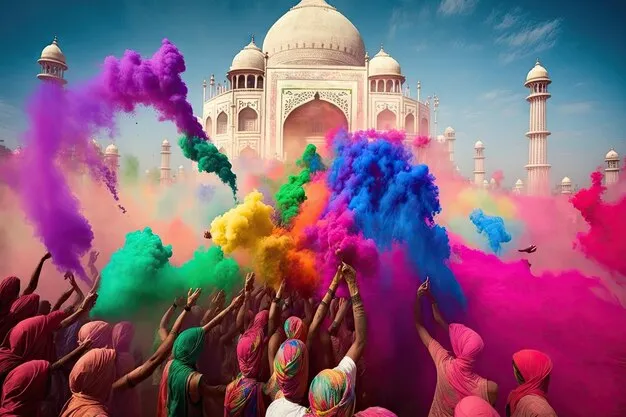
The weather remains pleasant in most regions, though temperatures begin to rise toward the end of the month. Hill stations, heritage cities, and wildlife parks are excellent choices.
This is a great time for travelers who enjoy culture, festivals, and photography.
April signals the start of summer in many parts of India. While plains begin to warm up, hill stations become the top travel choice.
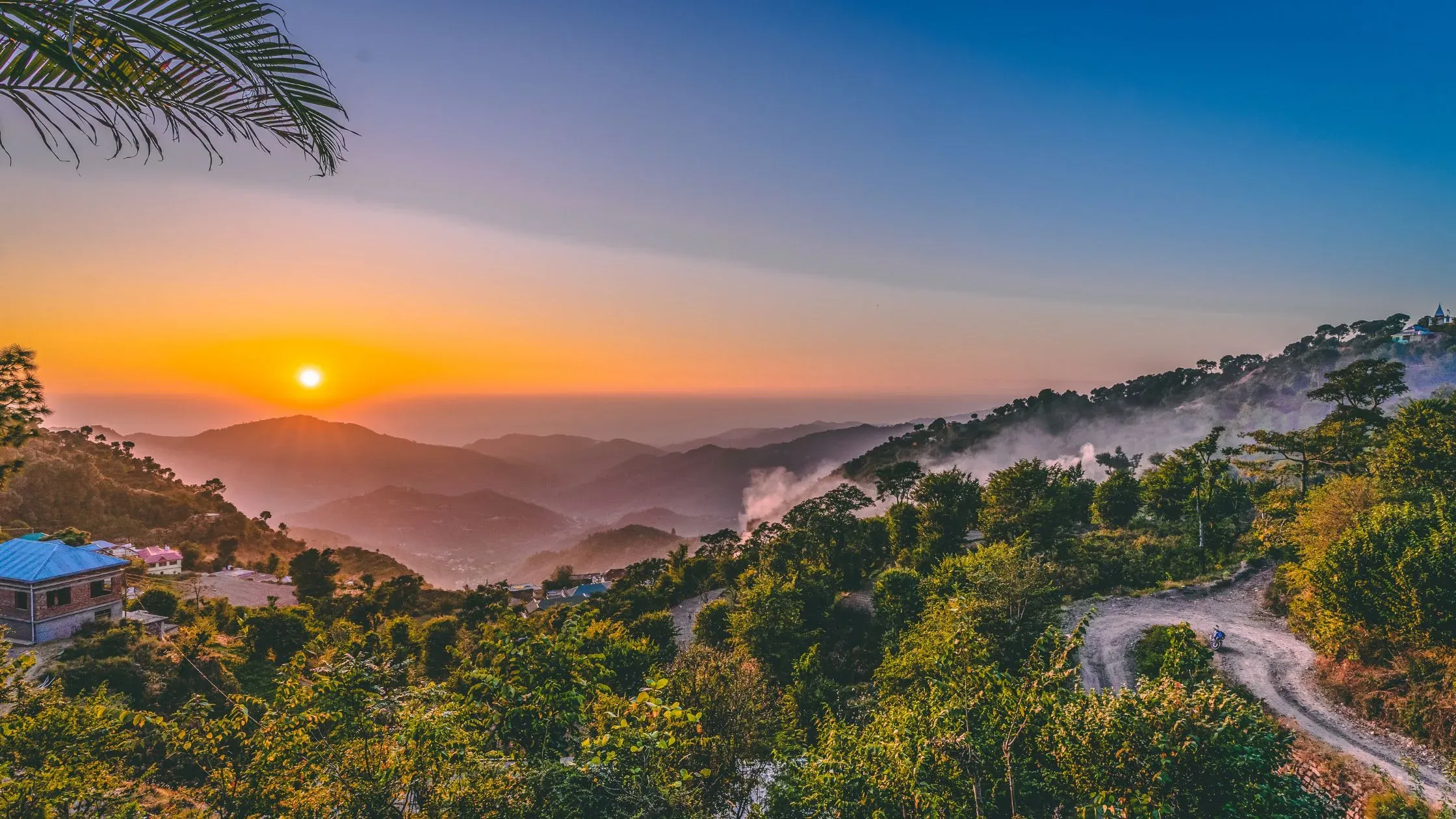
Destinations like Shimla, Manali, Darjeeling, Ooty, and Munnar offer cool weather and scenic beauty. April is also a good time for trekking and nature walks.
Families planning school-holiday trips often consider April as the Best Time to Travel in India for hill vacations.
May is one of the hottest months in India, especially in central and northern plains. However, it’s also the peak season for hill stations and Himalayan travel.

Places in Himachal Pradesh, Uttarakhand, and the Northeast attract travelers looking to escape the heat. Wildlife tourism is also popular as animals gather near water sources.
Despite the heat in cities, May remains a strong travel month with the right destination choices.
June is a transition month. Early June still feels like summer, while late June marks the arrival of monsoon in many regions.
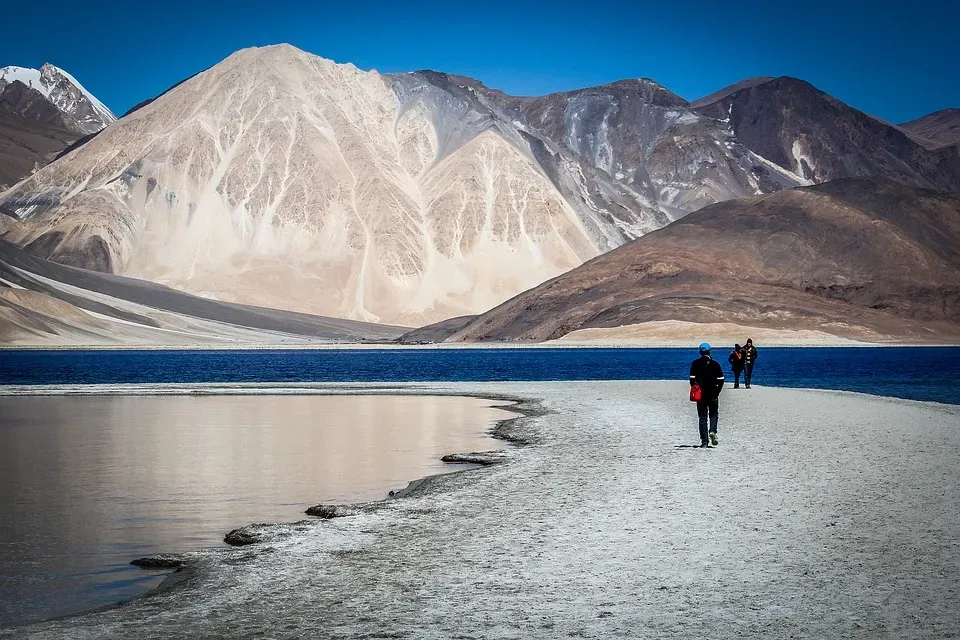
Hill stations remain popular, and destinations like Ladakh and Spiti Valley open up for travelers. South India begins receiving rainfall, bringing relief from heat.
June works well for travelers who prefer fewer crowds and don’t mind unpredictable weather.
Read more – Top 10 Hotels In India
July introduces the monsoon season across most of India. While some travelers avoid this period, it has its own charm.
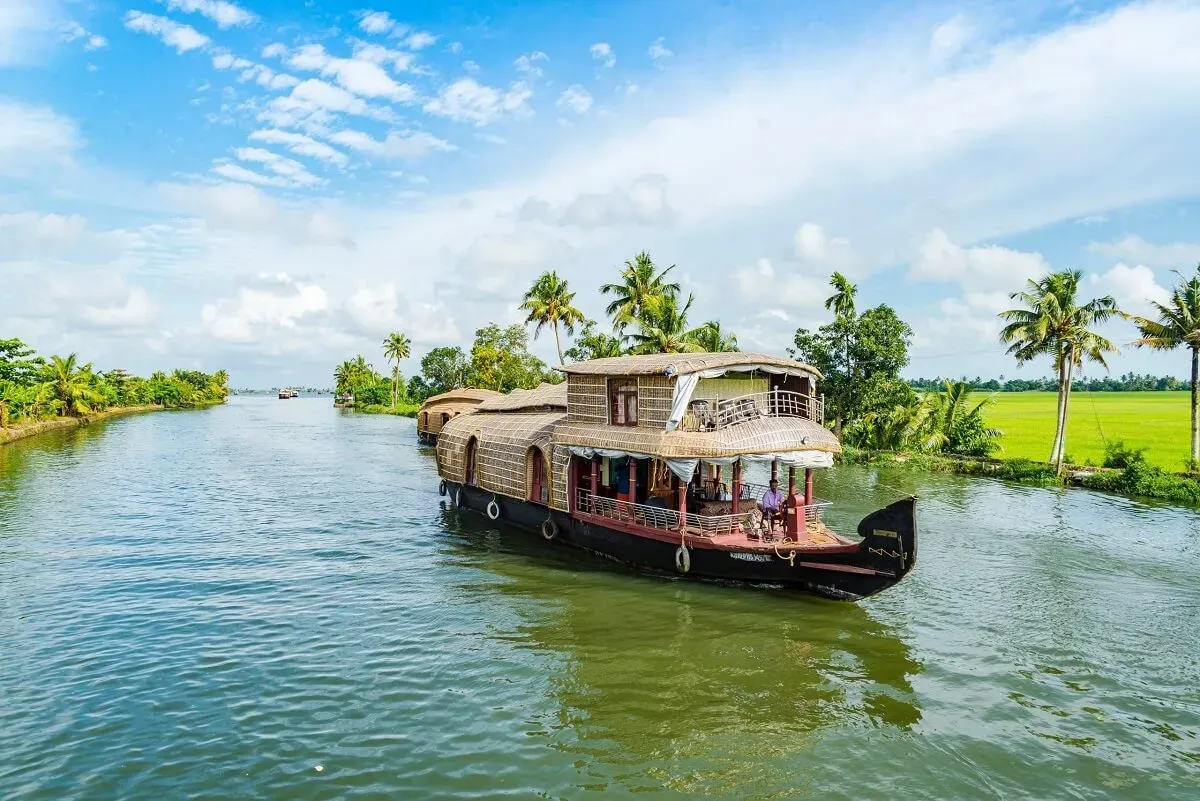
Forests turn lush green, waterfalls are at their peak, and popular destinations become less crowded. Kerala, Goa (off-season charm), and the Western Ghats look stunning.
For budget travelers and nature lovers, July can still fit into the Best Time to Travel in India, provided plans are flexible.
August continues the monsoon but adds cultural vibrancy with festivals like Independence Day, Onam, and Raksha Bandhan.
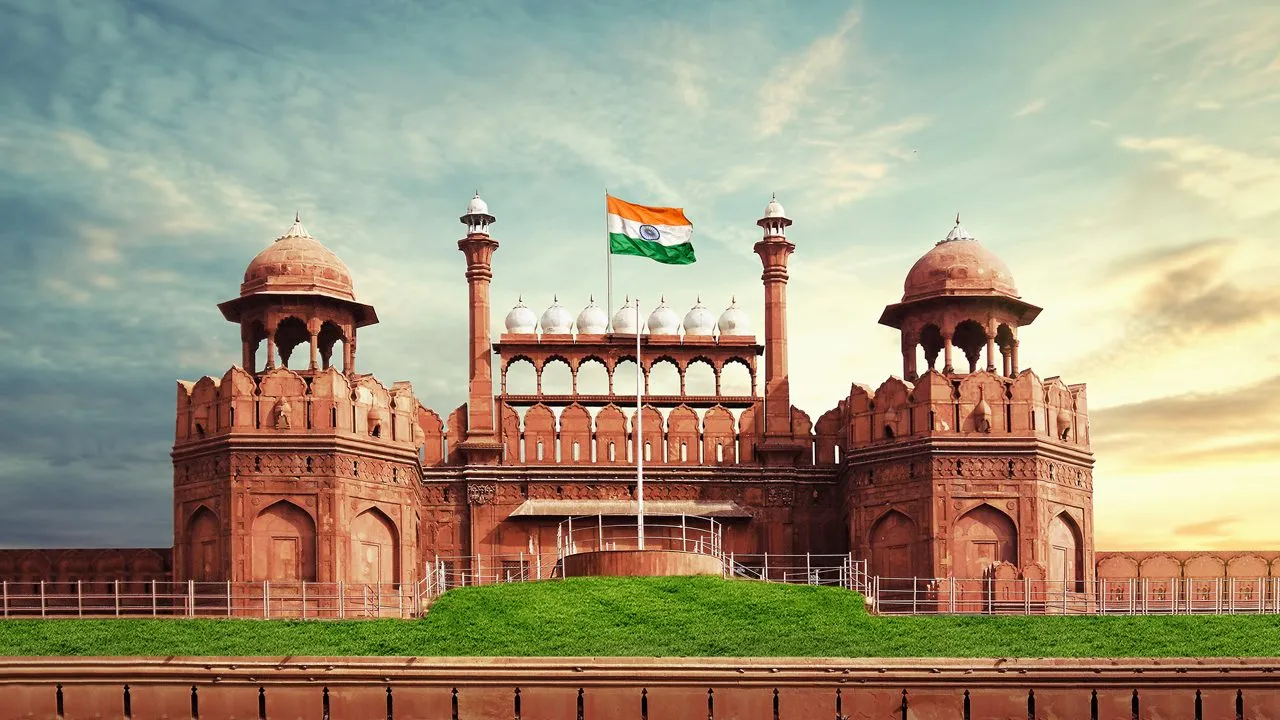
Hill regions remain green, and tourist crowds are minimal. Travel costs are often lower, making it ideal for slow, peaceful journeys.
This month suits travelers interested in local culture rather than sightseeing marathons.
September marks the end of the monsoon in many areas. The weather improves, greenery remains, and tourist destinations slowly reopen fully.

This is considered a shoulder season, offering a balance of good weather and fewer crowds. Photography and nature travel are especially rewarding.
September is often underrated but highly recommended for smart travelers.
October is widely considered one of the best months to explore India. The monsoon has ended, temperatures are pleasant, and festivals begin.
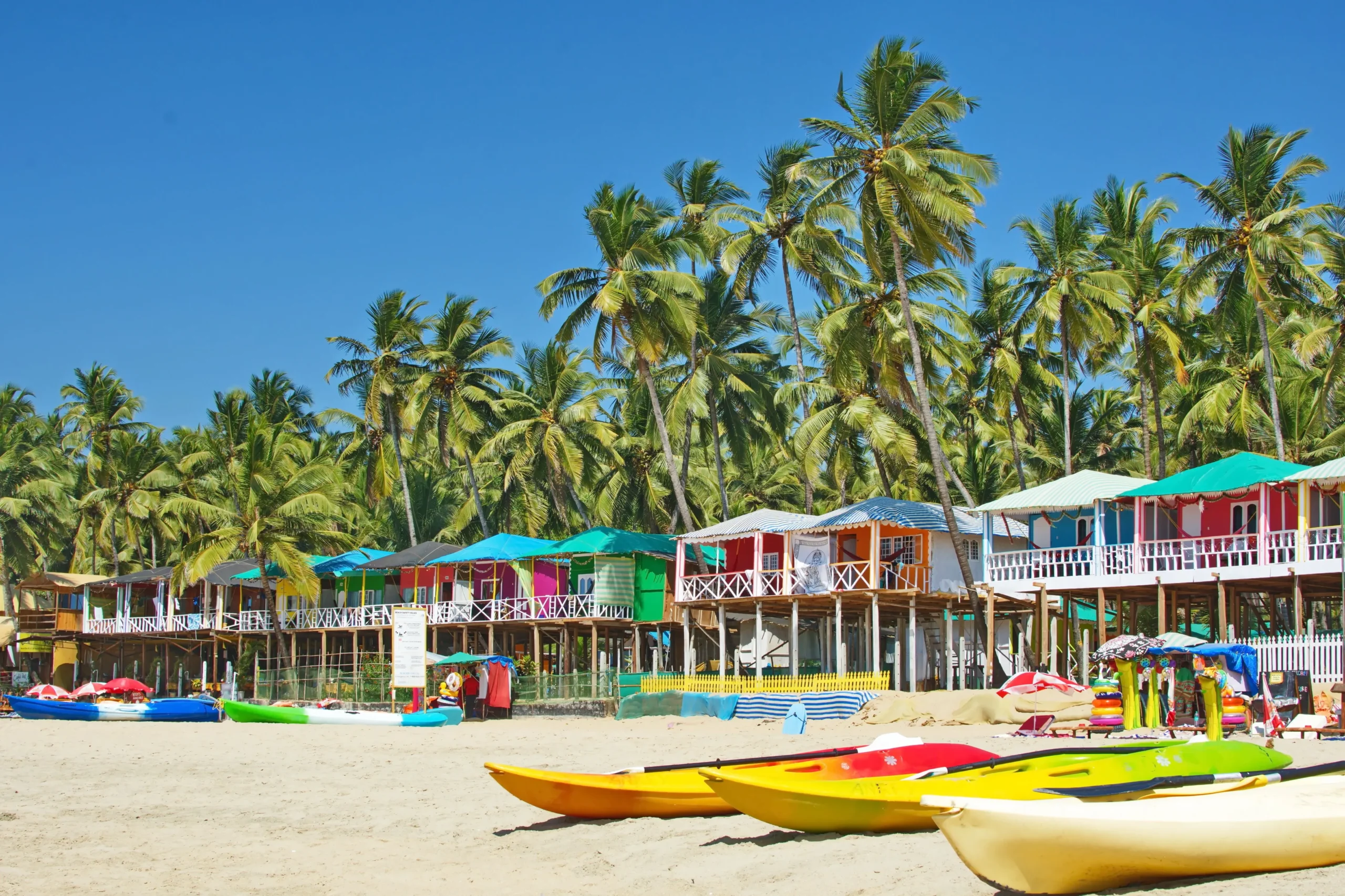
Destinations across North, South, East, and West India become accessible. Festivals like Navratri and Durga Puja add excitement and cultural depth.
For many travelers, October clearly stands out as the Best Time to Travel in India.
November offers stable weather, clear skies, and comfortable temperatures. It’s ideal for sightseeing, wildlife safaris, and long road trips.
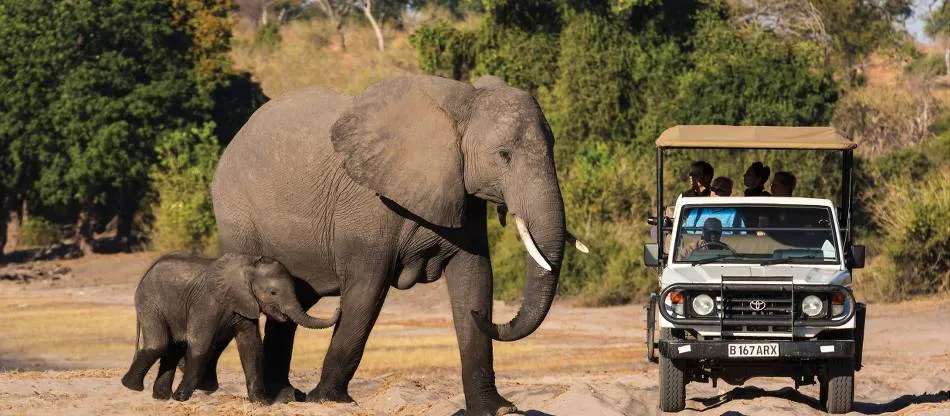
Heritage cities, deserts, beaches, and national parks are all in excellent condition. This month also avoids peak holiday crowds.
November is perfect for travelers who want smooth, stress-free journeys.
December is a festive and high-demand travel month. Northern hill stations experience snowfall, while beaches and cities host Christmas and New Year celebrations.

From snow lovers to party seekers, December attracts diverse travelers. Advance bookings are essential due to high demand.
For festive travel and winter magic, December completes the Best Time to Travel in India cycle beautifully.
Different travelers have different needs. Here’s a quick guide:
Read also – Most Affordable Honeymoon Destinations in India
North India is best visited from October to March, except for hill stations in summer. South India remains travel-friendly almost all year, especially in winter. West India shines between November and February, while Northeast India is best from October to April.
Understanding regional patterns helps travelers choose the right month wisely.
Always check weather conditions before booking. Plan accommodations early during peak months. Pack according to the season and destination. Keep buffer days for long journeys, especially during monsoon or winter travel.
Smart planning ensures a smooth experience regardless of when you travel.
What is the best month to visit India?
October and November are considered ideal for most regions.
Is monsoon a bad time to travel?
Not always. It’s great for greenery and budget travel but needs flexible planning.
When is travel cheapest in India?
July to September usually offers lower prices.
Is India good for year-round travel?
Yes, if destinations are chosen wisely based on season.
Which season is best for first-time visitors?
Winter, from October to February, is the safest choice.
India is truly a year-round destination, but choosing the right month can transform your travel experience. From winter festivals to monsoon landscapes and summer escapes, every season offers something unique.
The Best Time to Travel in India depends on your preferences, travel style, and comfort level. Plan smartly, travel responsibly, and let India surprise you every month of the year.



An all-inclusive Eco resort in Netarhat
© 2025 Mountail Eco Resort, A unit of Bienvenido Hospitality. All rights reserved.